
BUT…AWARENESS needs to be every day of the year!
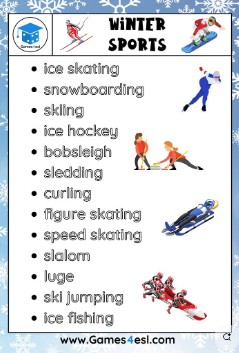
Traumatic Brain Injuries don’t follow a calendar. They don’t wait for a specific season, holiday, or designated “Awareness Month.” Whether the weather is icy, blazing hot, or somewhere in between, people of all ages participate in activities that carry some level of concussion or TBI risk. Winter Sports simply add their own unique challenges – speed, hard surfaces, unpredictable falls, and the tendency for athletes (especially kids) to hide symptoms so they can keep playing.
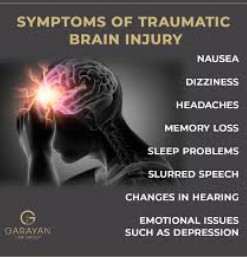
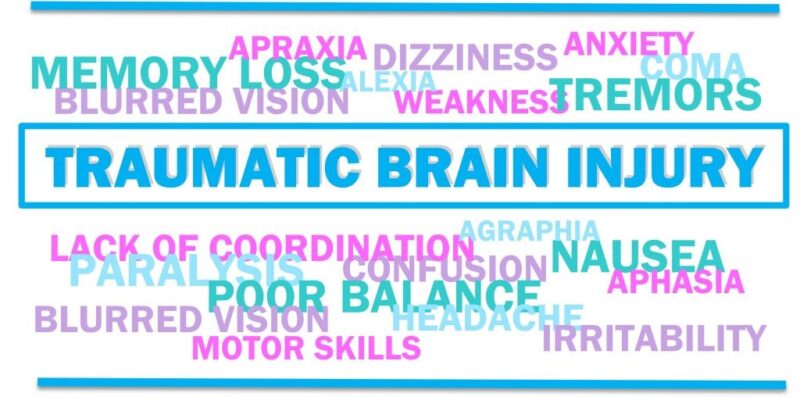
The goal of this page is to help families, athletes, and recreational participants understand how TBIs can happen, what early signs look like, and how to respond quickly and safely. A concussion can occur during a ski run, a backyard sledding trip, a hockey practice, or even a simple slip on ice.
 By learning what to watch for and how to protect yourself or your child, you reduce the risk of long‑term complications and increase the chance of a full, healthy recovery. Winter Sports are exciting, empowering, and physically rewarding – and with the right knowledge, they can also be safer.
This page is designed to give you clear, practical information you can use any time of year, whether you’re gearing up for the slopes, lacing up skates, or simply navigating everyday activities where falls and impacts can happen.