BRAIN INJURY PREVENTION (For Kids)

DO YOU KNOW HOW TO PREVENT HEAD INJURIES IN KIDS????

BRAIN INJURY PREVENTION (For Kids)
DO YOU KNOW HOW TO PREVENT HEAD INJURIES IN KIDS????
(Bystanders) Stand Up to Bullying

Inspired by The Geek From Pumpkin Creek by Penny Stofko (one of my dearest friends since grade school !)
You can order The Geek from Pumpkin Creek directly from Penny [email protected]
In Penny Stofko’s The Geek From Pumpkin Creek (The Little Book with the MIGHTY Message!), young Walter learns to embrace his uniqueness through stories of brilliant minds who changed the world.

His SELF-CONFIDENCE grows ~ not by changing who he is, but by owning it.
As Parents, we must build on that message: When kids feel confident in their identity, voice, and body, they’re better equipped to stand up to bullies and avoid escalation. Even a simple shove can have lasting consequences, like a brain injury from a fall.
Steps to Help Your Child Build Confidence Against Bullies
7 Skills for Teaching Your Child to Stand Up to Bullies | Psychology Today
FOR EVERYONE IN THE FAMILY!!! How to Protect Your Brain From Physical Injury

Whether they’re toddlers exploring the world, school-aged kids active in sports, or teenagers balancing academics and extracurricular activities, the risk of Traumatic Brain Injuries (TBIs) is a constant concern.
The Parents section of TBI-ID.com is dedicated to providing you with the knowledge and resources you need to protect your children and address any potential TBIs promptly and effectively. (Click Here for TBIQuikList of Symptoms)
Understanding TBIs in Children: Children are naturally adventurous and curious, which can sometimes lead to accidents and injuries. Understanding the causes and symptoms of TBIs is crucial for early intervention and effective treatment. We provide easy-to-read information on recognizing the signs of TBIs, from minor bumps and bruises to more serious injuries, ensuring that you can act quickly and confidently to seek medical attention when needed.
Prevention and Safety Tips: Prevention is key when it comes to protecting your children from TBIs. Our comprehensive safety tips cover a wide range of activities and environments, from playgrounds and sports fields to home and school settings. By implementing these preventive measures, you can help reduce the risk of TBIs and create a safer environment for your children to thrive.
Supporting Recovery and Rehabilitation: If your child does sustain a TBI, knowing how to support their recovery is essential. We offer guidance on rehabilitation therapies, coping mechanisms, and emotional support to help your child heal and regain their strength. Our resources also include advice on communicating with healthcare providers, navigating the medical system, and working with schools to ensure your child receives the necessary accommodations and support.

Emotional and Behavioral Changes in Children After Brain Injury
Neurologist Dr Jane Gillette, with BrainLine.org, Click Here for Links to many articles about Brain Injury
Common Problems Children Have After a Traumatic Brain Injury
What Schools (TEACHERS!!!) Need to Know About Children After a Brain Injury
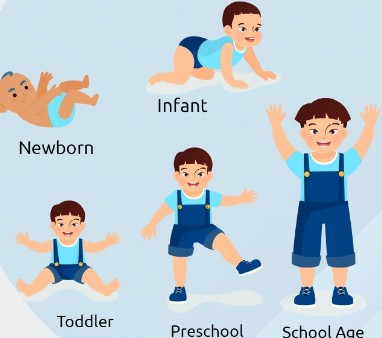
Unusual fussiness or irritability
Difficulty feeding or nursing
Changes in sleep patterns
Vomiting
Loss of interest in favorite toys or activities
Unsteady walking or loss of balance
Seizures
Persistent crying that cannot be consoled
Sensitivity to light or noise
Unresponsiveness or difficulty waking up
Resources:
Cincinnati Children’s Hospital Provides comprehensive information on recognizing TBI symptoms in young children and seeking treatment.
Birth Injury Guide: Offers detailed explanations of infant brain injuries, their causes, symptoms, and treatment options.

Age 6-12
Resources:
Minnesota Low Incidence Projects Provides information on TBI symptoms in school-aged children and the importance of early diagnosis and intervention.
Society of Pediatric Psychology: Offers a fact sheet on TBI in children and adolescents, including symptoms, treatment, and long-term outcomes.

Resources:
Chidrens Rehabilitation Institute: Discusses the frequency, causes, and side effects of pediatric TBIs, including symptoms and treatment options.
BrainLine: Offers information on classroom interventions and accommodations for students with TBIs, helping them succeed academically and socially.
Society of Pediatric Psychology: Provides detailed information on TBI symptoms and the importance of early intervention for teenagers.
Addressing Mild Concussion in Teenagers
5 Tips for Concussion Recovery
THE IMPORTANCE OF…One Small Connection for Children in Rehab for TBI
How Exercise Can Help (anyone, any age) Heal the Brain After a TBI

REFERENCES:
Top 10 Baby Safety Tips Every Parent Needs to Know – Southwest Human Development
Safety Awareness Tips for Parents With Kids of All Ages | AdventHealth
Teens: Safety in the Home & Community | Parent Information | CDC
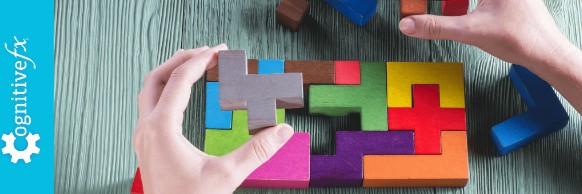
Various therapies can help restore physical, cognitive, and emotional functions. Some of the most effective rehabilitation therapies include:
Physical Therapy: Focuses on improving motor skills, balance, and coordination. Therapists use exercises and activities to strengthen muscles and enhance mobility.
Occupational Therapy: Helps children develop or regain the ability to perform daily activities independently. This includes fine motor skills, self-care tasks, and adaptive techniques.
Speech Therapy: Addresses communication issues, including speech, language, and swallowing difficulties. Therapists work on improving articulation, language comprehension, and expression.
Cognitive Therapy: Aims to improve cognitive functions such as memory, attention, problem-solving, and executive functioning. Techniques include memory exercises, puzzles, and structured activities.
Behavioral Therapy: Assists in managing behavioral changes and emotional challenges resulting from a TBI. Therapists provide strategies to cope with mood swings, aggression, and anxiety.

Need Plan for Rehab for Child After TBI
Cognitive Therapy
Occupational Therapy for Children

Coping with a TBI can be challenging for both the child and their family. Providing emotional support and developing effective coping mechanisms are essential for a successful recovery. Here are some strategies to consider:
How Can Loved Ones Be Emotionally Supportive After Brain Injury?

Dealing with a TBI often involves navigating the complexities of the medical system. Here are some tips to help parents:
Ensuring your child receives the necessary accommodations and support in school is vital for their academic success. Here are some tips for collaborating with schools:
Communicate with Educators: Keep teachers and school staff informed about your child’s condition and specific needs. Provide them with relevant medical information and recommendations from healthcare providers.
Develop an Individualized Education Plan (IEP): Work with the school to create an IEP that outlines the accommodations and support your child requires. This may include modified assignments, extra time for tests, and access to special education services.
By providing guidance on rehabilitation therapies, coping mechanisms, emotional support, and navigating the medical and educational systems, we aim to empower parents to help their children heal and regain their strength.



Click Here to visit Flint Rehab